Stone Village near Erseka City, Albania
Rehovë History
Rehovë is a picturesque mountain village about 2 km from the city of Ersekë, in the Kolonjë region of southeastern Albania. It’s situated at the foot of Mount Gramoz, giving it a dramatic natural setting that has shaped much of its history and architecture.
🏡 Historical Background
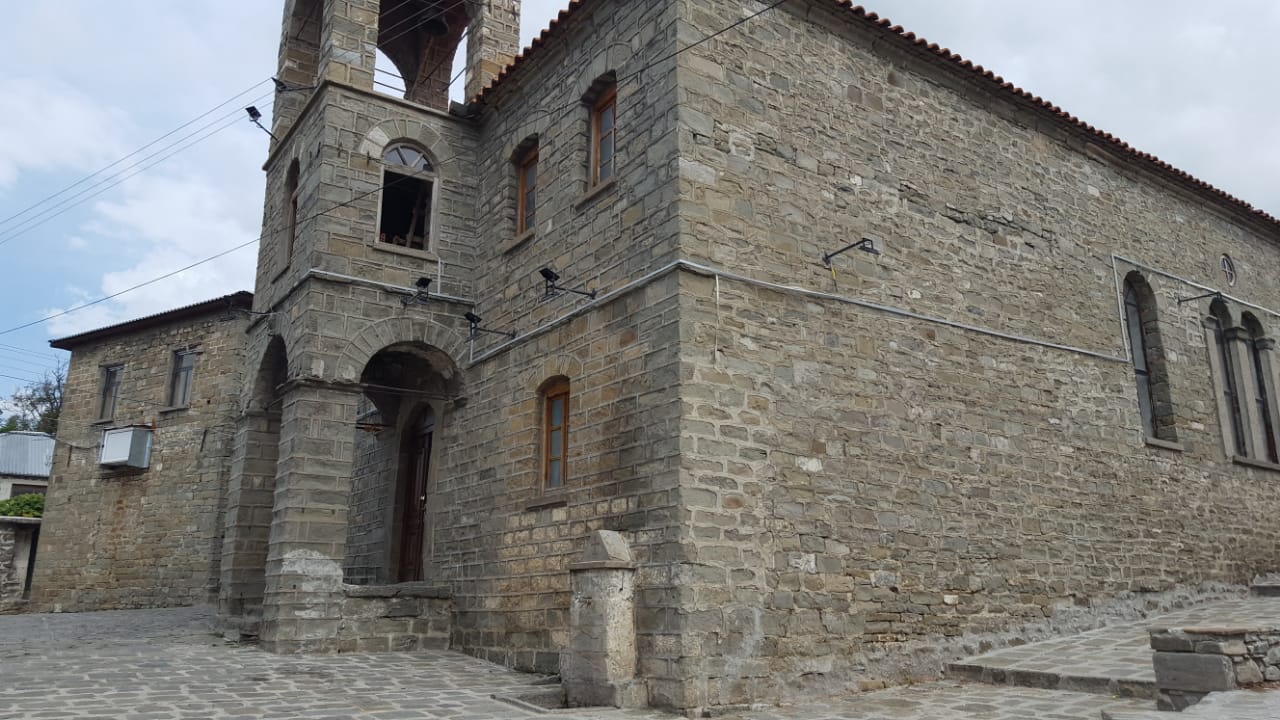
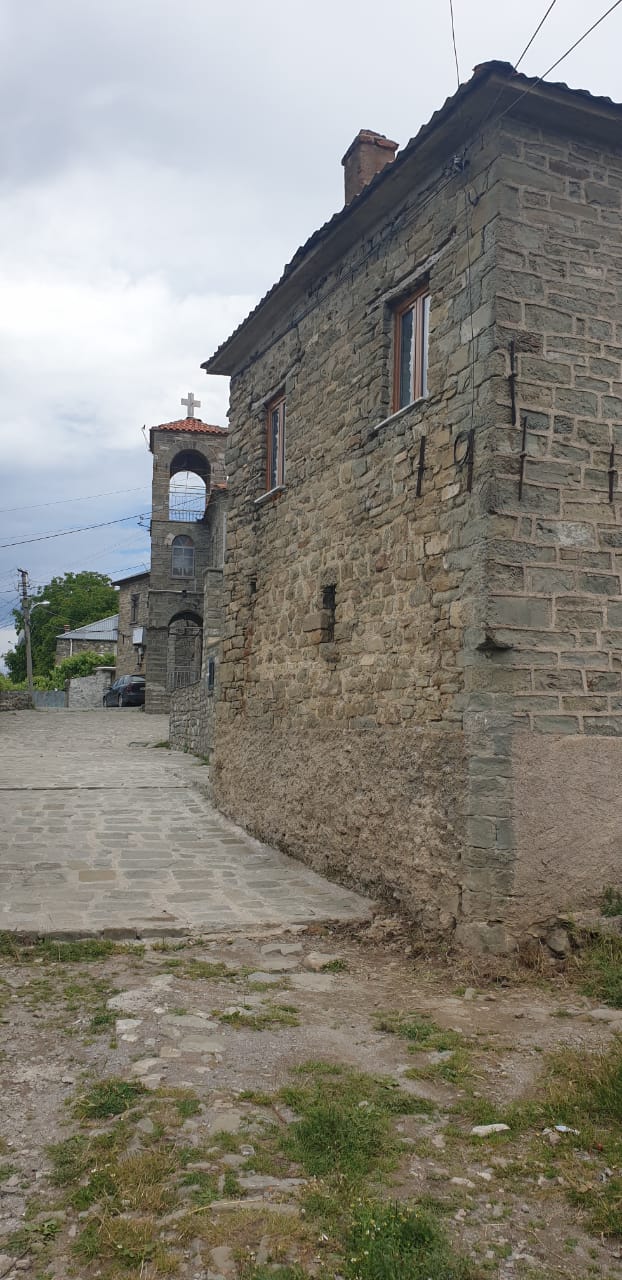
- Traditional Stone Village: Rehovë is sometimes described as over 200 years old, known locally as a “stone village” due to its traditional stone-built houses and compact, historic urban form.
- Heritage Status: In January 2017, the Albanian government officially designated the village center as a protected historic area to preserve its urban and architectural heritage — including the distinctive houses, cultural buildings, and layout.
- Historic Architecture: Its stone houses, narrow flagstone streets, and the famous “Rruga e Portave” (“Street of Doors”) reflect traditional craftsmanship that has persisted for generations.
🧑🌾 Culture and Social History
- Emigration & Diaspora: Starting in the early 20th century, many villagers emigrated, particularly to the United States, forming associations abroad that supported local development back home. By the 1930s, these contributions helped bring modern infrastructure, such as sewerage, water networks, and roads, to the village.
- Local Professions: Historically, the inhabitants of Rehovë were known for skilled crafts, especially stonework and construction skills, which not only shaped the village’s buildings but also provided livelihoods for many locals who worked abroad and at home.
🕍 Religion and Communal Life
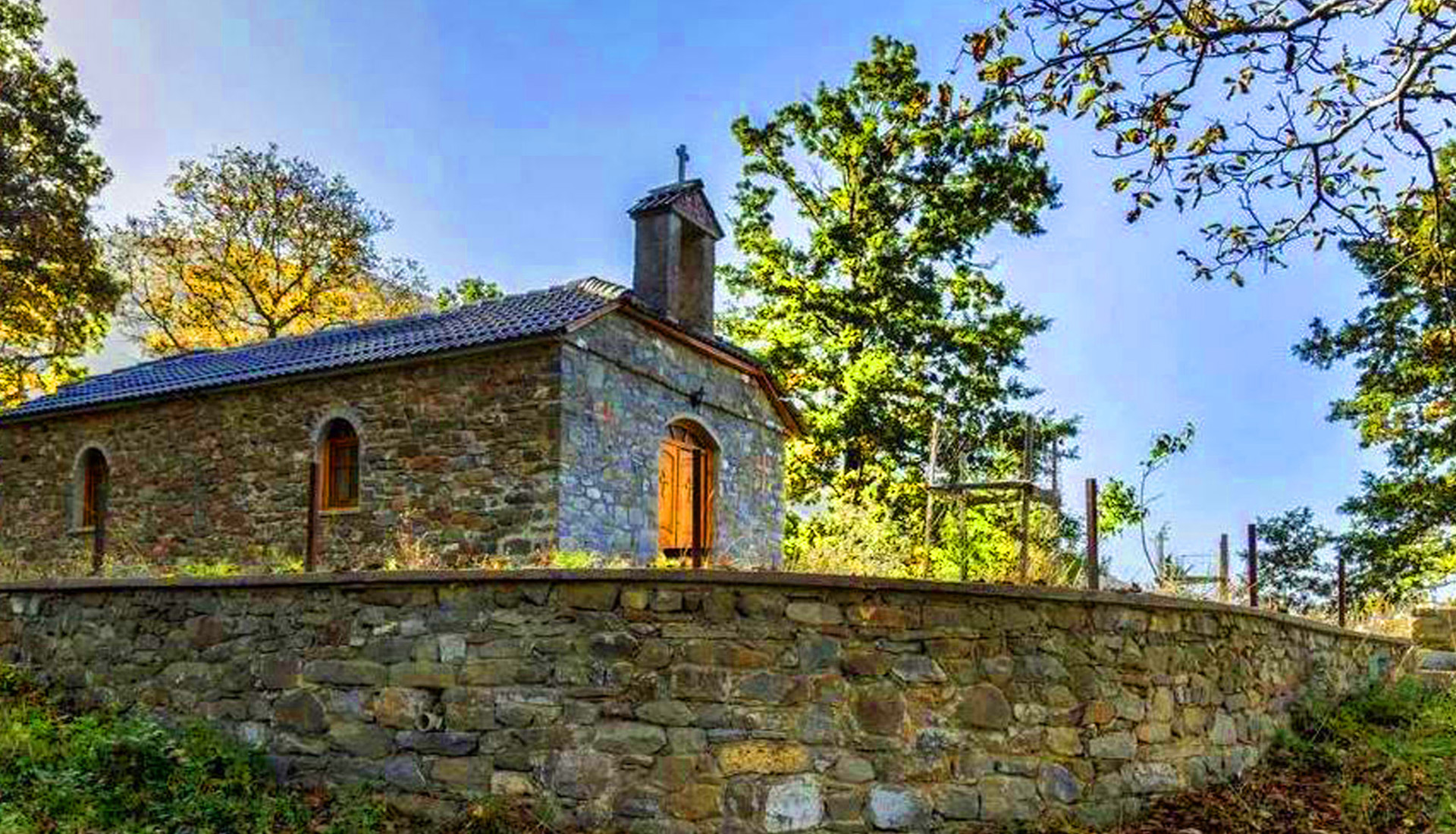
- Religious Heritage: The village has multiple churches, such as St. Nikolla , St. Pjeter , St. Thanas and St. George, important to its cultural life and religious traditions. Older records suggest that Rehovë once had many more places of worship, indicating a rich spiritual history.
🌿 Modern Developments & Tourism
- Agro-tourism & Cultural Revival: In recent years, Rehovë has become a growing tourist destination, known for its hospitality, unique local cuisine, traditional guesthouses (many converted from family homes), and connection to rural life.
- Cultural Events: The village has turned some local customs and festivals into tourist attractions, blending tradition with economic opportunities.
🧠 Summary
Rehovë’s history is rooted in its traditional mountain village identity, stone architecture, and community resilience. Over time, through diaspora ties and preservation efforts, it has maintained its cultural heritage while opening up to tourism and modern infrastructure.


Leave a Reply